“Let every valley be lifted up, and every mountain and hill be made low; and let the rough ground become a plain, and the rugged terrain a broad valley; then the glory of the LORD will be revealed, and all flesh will see it together; for the mouth of the LORD has spoken.” -Isaiah 40:4-5
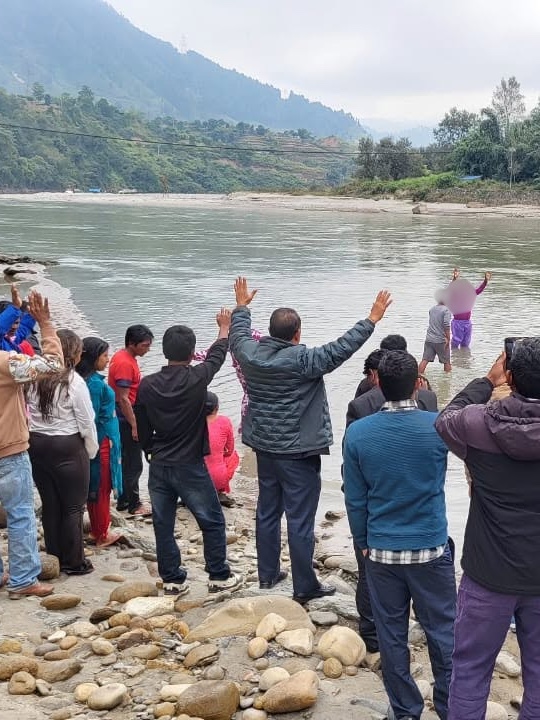
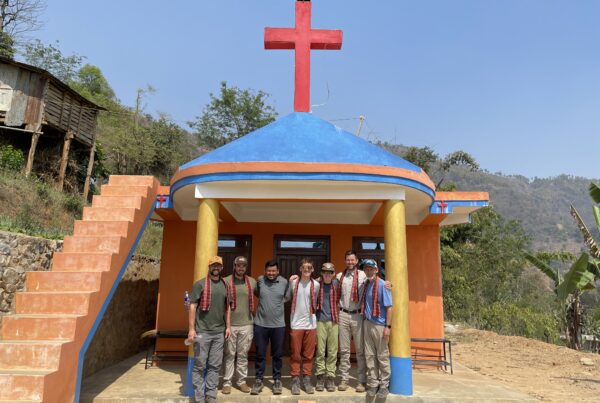
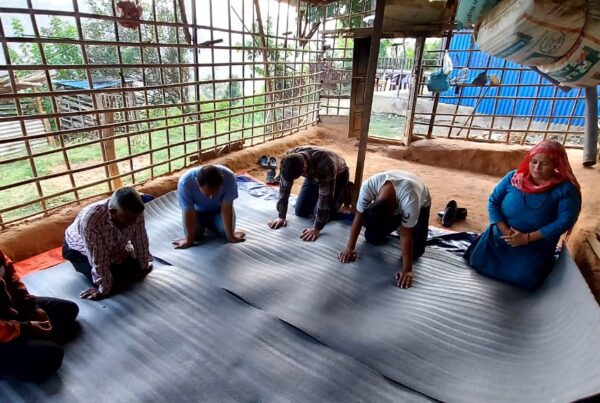
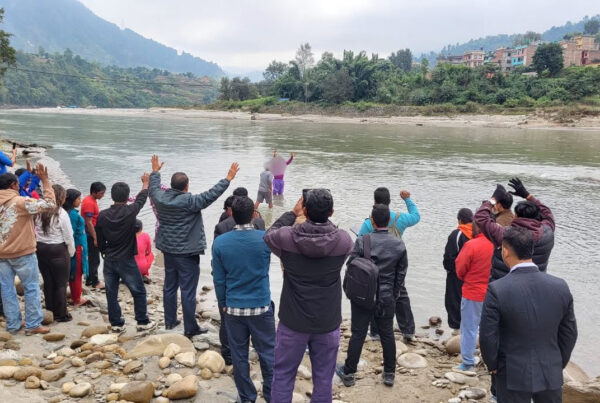
Nepal has experienced profound political and social changes the last 20 years. The absolute power of the Hindu monarchy ended in 2008, and Nepal became a federal republic with a secular constitution. Although Nepal is a secular country, an anti-conversion law was passed in 2017, primarily intended to limit Christian evangelism and defend Nepal’s Hindu traditions. It has not succeeded in slowing the spread of the gospel.
While Nepal is home to Buddha’s birthplace, about 80% of Nepalese identify with Hinduism, making it the country with the highest percentage of Hindus in the world. While Buddhism is more prevalent in the northern, higher altitudes and remote regions, Hinduism is more prominent in the south near the Indian border. Christianity is viewed as a foreign religion that destroys Nepal’s traditional culture and promotes foreign religions. While William Carey first translated the NT into Nepali in 1821, only 8 of Nepal’s 80 languages have complete Bible translations. Low literacy rates create a significant need for Oral Bible Storytelling or Scripture in an audio format.
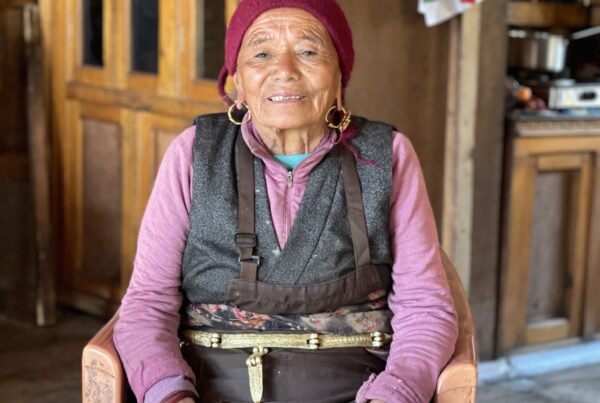
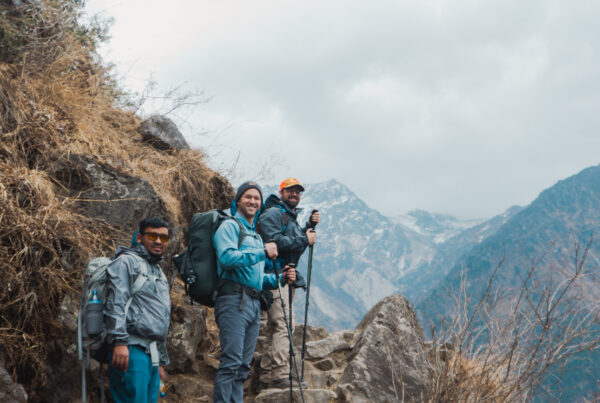
Nepal remains one of the world’s poorest nations, with widespread poverty, child labor, human trafficking, and a very high infant mortality rate. It is home to Mount Everest and eight of the world’s ten highest peaks. Among the famous Sherpa of the Everest region where there is no church, there are perhaps 50 followers of Jesus.